
.webp)
The Changing Economics of Site Security: Why Businesses Are Rethinking Traditional Security Guards
Sydney, Australia – 20 May 2026
As labour costs rise and compliance requirements evolve, many Australian businesses are exploring technology-enabled alternatives to conventional security staffing. The shift reflects broader changes in how organisations approach site protection.
The economics of security guarding have changed significantly in recent years. A 24/7 guard post typically requires four to five personnel to maintain continuous coverage, with total annual costs now ranging between $300,000 and $500,000. Hourly rates vary from $46 to $110 depending on shift timing, with premiums applied for nights, weekends, and public holidays.
At the same time, many businesses report difficulties filling security positions, particularly in regional areas. Industry data suggests relatively high turnover rates, and the physical demands of overnight vigilance present well-documented challenges around fatigue and sustained attention.
For organisations facing new compliance obligations—such as those introduced under the Security of Critical Infrastructure (SOCI) Act—these factors have prompted a reassessment of traditional security models.
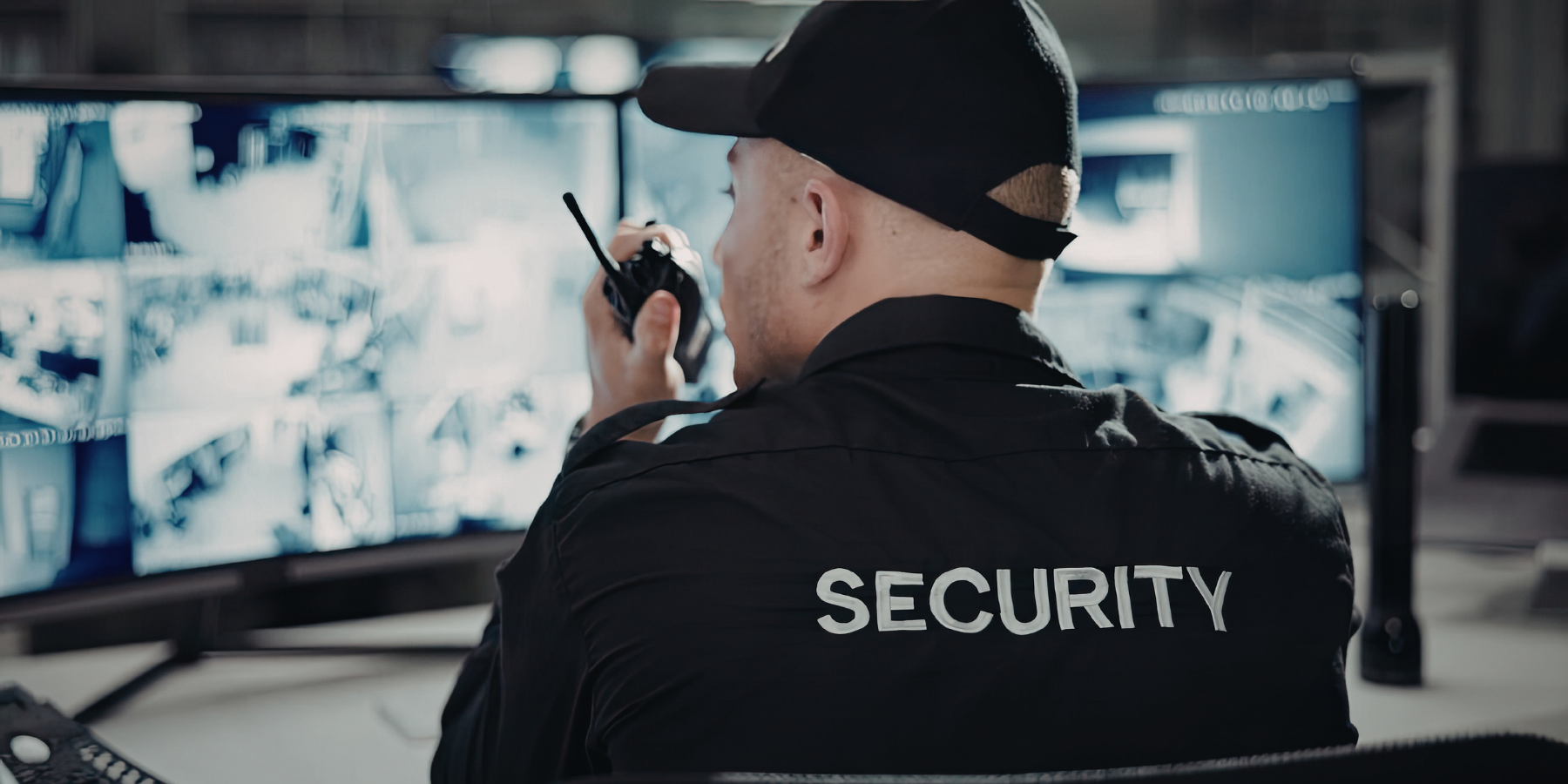
Why Security Guard Labour Costs Are Rising
The security guard profession faces several structural pressures. Maintaining alertness during long night shifts is physiologically challenging for humans, a factor recognised in occupational health research. Many guards work in the role temporarily, contributing to higher-than-average turnover in the industry.
There's also the question of authority. In most situations, security personnel are limited to observation and reporting. Their primary function often involves documenting incidents and contacting police rather than direct intervention. This has led some businesses to question whether the traditional guard model represents the most effective allocation of resources.
AI Surveillance Alternatives to Traditional Security Guards
Companies like Vision Intelligence have developed systems designed to address some of these limitations. Their mobile surveillance units provide 24/7 monitoring at approximately $30 per day, or roughly $11,000 annually — a significant reduction compared to traditional guard posts.
For organisations evaluating the operational and financial differences between on-site guards and AI-powered monitoring, comparing the two approaches side-by-side can provide valuable insight into long-term security outcomes, operational efficiency, and cost reduction.
Learn more about the differences between static guards and AI-powered mobile surveillance.
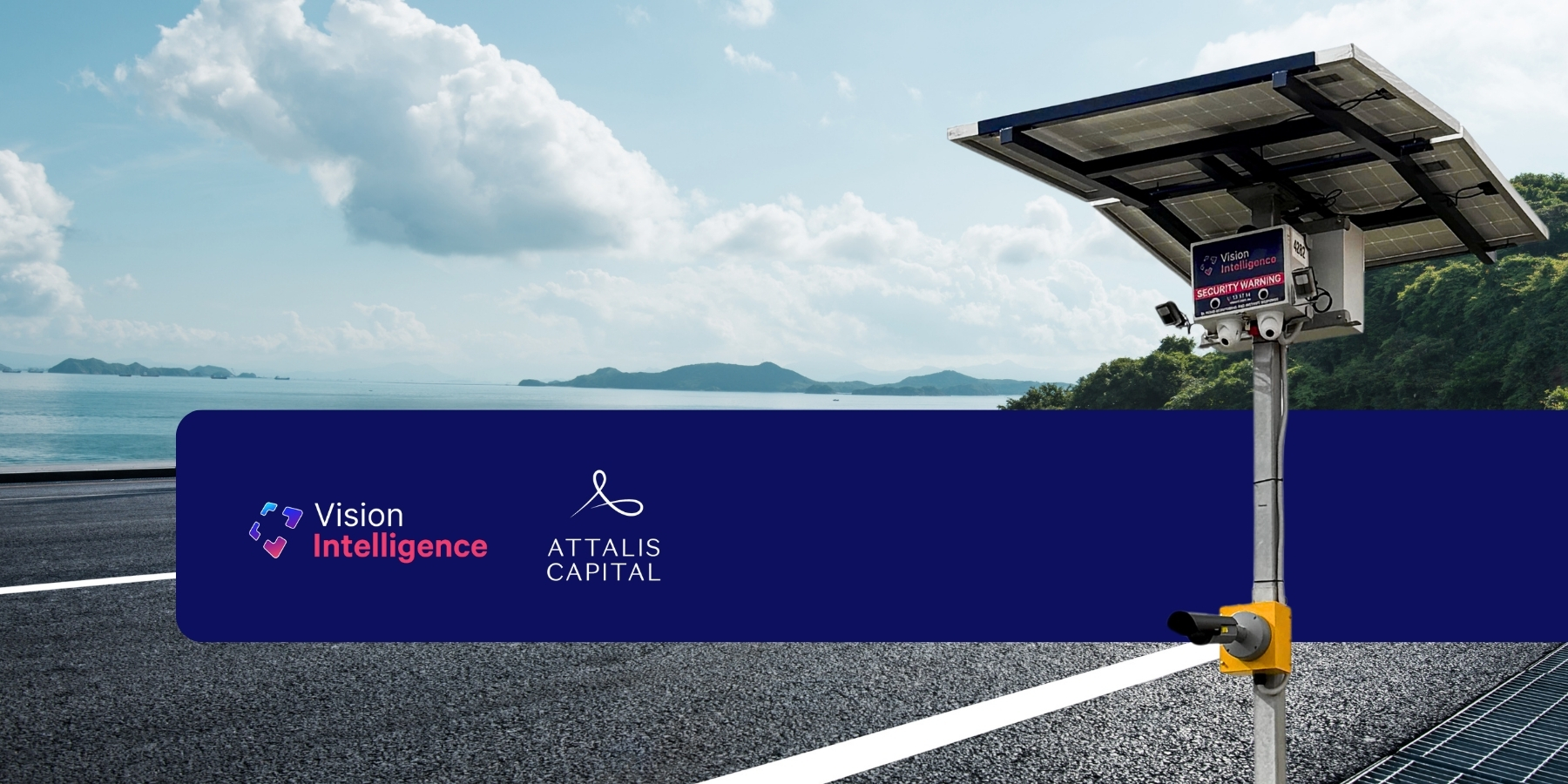
These systems are more than standard CCTV cameras. They combine industrial-grade hardware, artificial intelligence, and centralised monitoring capabilities to deliver proactive site security. Units typically weigh between 750 and 1,500 kilograms, are solar-powered, and are designed for demanding environments including construction sites, mining operations, infrastructure projects, and remote facilities.
The AI component helps distinguish genuine security threats from routine environmental movement. By filtering out false triggers such as weather conditions, wildlife, or non-threatening activity, the systems reduce alert fatigue and improve response efficiency.
How Active Monitoring Works
When the AI detects potential intrusions — such as people or vehicles entering restricted areas — alerts are sent directly to Vision Intelligence’s ASIAL-accredited monitoring centre, where trained operators verify the situation and coordinate with police or emergency services if required.
This approach represents a shift from passive recording to proactive intervention. Rather than reviewing footage after an incident has occurred, the objective is to identify and respond to potential security breaches in real time. When deployed along site perimeters, these systems may help detect suspicious activity before offenders gain access to critical assets or exit the site.
How AI-Powered Surveillance Supports SOCI Compliance
The SOCI Act and similar regulations have introduced stricter accountability standards for critical infrastructure operators. Organisations are now required to demonstrate robust security measures and maintain detailed records of potential breaches.
Automated systems offer certain advantages in this context. All detections are logged automatically, creating comprehensive audit trails. There's reduced reliance on individual judgment or memory, and less exposure to insider threats. For organisations navigating complex compliance frameworks, these characteristics can simplify documentation and accountability.
Human guards, while valuable in many contexts, introduce variables that can complicate compliance—including potential fatigue, subjective reporting, and access to sensitive information.
Regional and Remote Applications
The cost differential becomes particularly significant in regional and remote locations. Deploying guards to isolated sites typically requires additional expenditures for accommodation, meals, and transport, as well as wage premiums to attract personnel willing to work in these areas.
Surveillance systems face fewer logistical constraints. Being solar-powered and self-contained, they can be deployed in locations where traditional security infrastructure would be impractical. For industries like mining, civil construction, and infrastructure development, this expands the range of sites that can feasibly be protected.
Industry Implications
The trend towards technology-enabled security does not necessarily mean the elimination of human guards. Rather, it reflects an evolution in how different security functions are allocated. Tasks requiring continuous vigilance, consistent documentation, and immediate threat detection may be better suited to automated systems, while human personnel remain essential for complex decision-making, investigations, and situations requiring nuanced judgement.
Vision Intelligence’s model, combining AI detection, active deterrence, and centralised monitoring, reflects an integrated approach to this evolving landscape. By keeping monitoring operations in-house rather than outsourcing to third-party control rooms, the company maintains tighter integration between hardware, software, and response protocols. For government and high-security clients, this also addresses data sovereignty concerns by ensuring all data remains within Australia.
The Future of Site Security
The security industry appears to be in a transitional period. Rising labour costs, workforce shortages, and stricter compliance requirements are creating pressure on traditional models. Technology solutions are becoming more sophisticated and more affordable.
The question for many businesses is not whether to adopt new approaches, but how to integrate them effectively. For some sites, this may mean supplementing guard services with technology. For others, particularly those in remote locations or with limited budgets, it may mean shifting primarily to automated systems.
What's clear is that the economics and regulatory landscape of site security have changed substantially. Organisations are responding by exploring alternatives that would have seemed unconventional even a few years ago. The security model that emerges will likely involve a more nuanced mix of human expertise and technological capability than the industry has traditionally employed.
Flexible hire solutions
From enhanced data insights to site protection, Vision Intelligence has the right solution for your application.


Keep Reading



Vision Intelligence HQ, Manufacturing and Command Centre is ISO45001 and ISO9001 certified. Master Security Licence 000107549.

